Connect with us

Health & Wellness

How much weight can you lose in a month on Ozempic?

Published

on

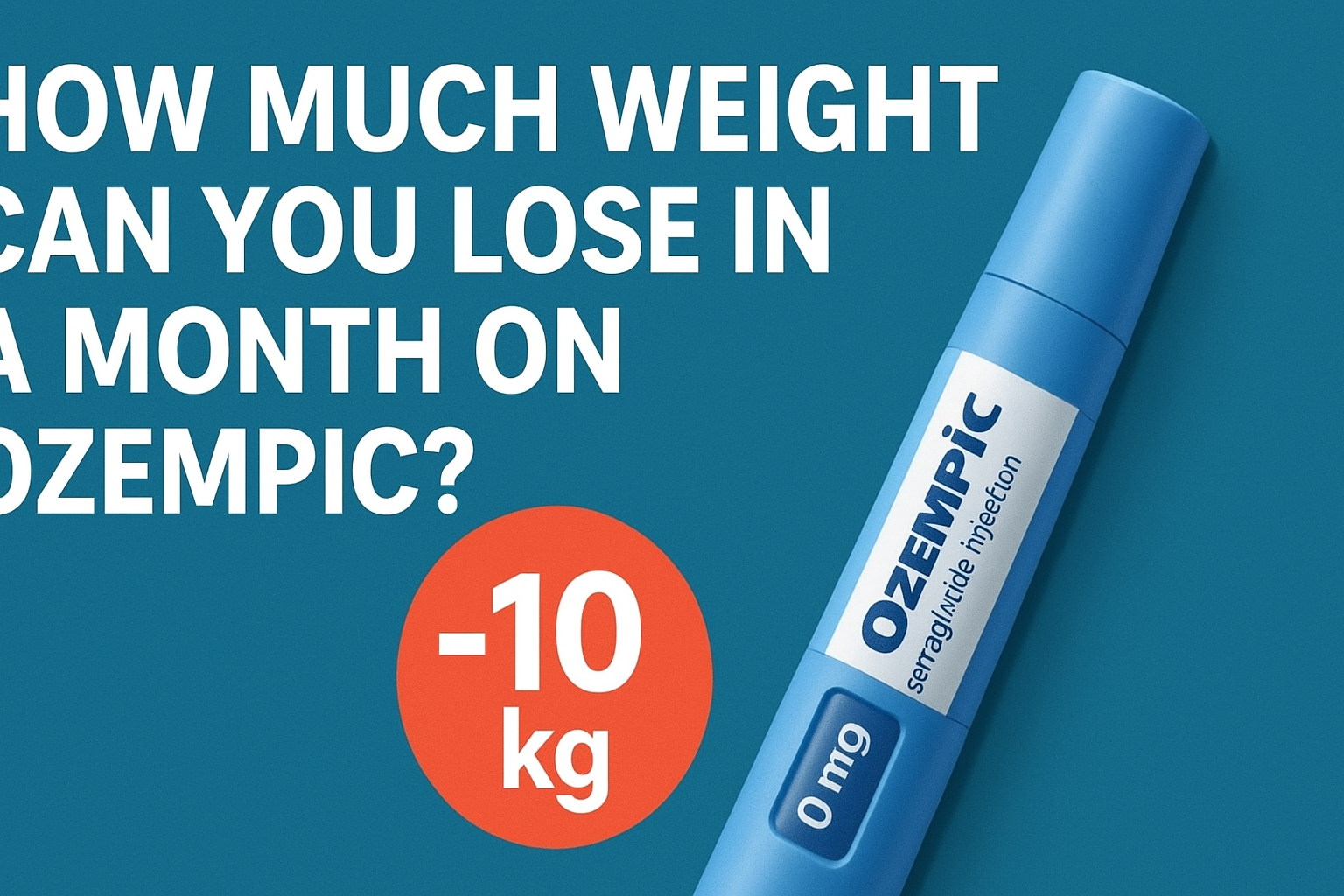
A teal-blue background featuring a blue Ozempic injection pen labeled “Semaglutide injection.” Large white text asks, “How much weight can you lose in a month on Ozempic?” with an orange circle showing “-10 kg.”

What to Expect in the First Month

Based on my professional experience reviewing randomised controlled trials, it’s a fair question to ask: “How much weight can you lose in a month on Ozempic?” I always explain to patients that the medication starts working almost immediately.

According to data from this type of trials, the way Ozempic (which contains Semaglutide) causes weight loss is by targeting two key areas: it reduces appetite and hunger, thereby helping you eat fewer calories. This effect tends to kick in quickly. While you won’t see your final result in the first month, the initial period often shows a promising start. It’s the beginning of a big change, not the end.

The immediate impact on your food noise and portion sizes is usually very noticeable. While it’s crucial to remember that this is a tool for weight loss and not a magic solution—and that everyone’s body responds differently—the initial momentum is encouraging. In the first month, you lose weight as Ozempic helps you effortlessly consume fewer calories, setting a positive trend.

How much weight will I lose on Ozempic?

Predicting Your Long-Term Weight Loss

When patients ask me, “How much weight will I lose on Ozempic?,” I explain that it’s important to see the medication’s effect over time, particularly when comparing it to other weight loss interventions or treatments. The loss of weight you see initially on a regular diet is a good start, but this effect often tends to plateau. Interestingly, Ozempic has a different pattern.

While you see initial weight loss, the real sustained weight loss is seen months of taking Ozempic, often beyond three months. This contrasts with no other comparable weight loss response from diet or other non-medication interventions, which makes Ozempic a uniquely powerful weight loss tool.

Ozempic is no longer available as a weight-loss injection in the UK

As a healthcare professional, I’ve had to guide many people through the changes in weight-loss medication availability. The reality is that Ozempic isn’t available anymore for weight-loss in the UK. It’s crucial to understand that Ozempic is only authorised for people living with type 2 diabetes. Therefore, it’s specifically not approved for those seeking weight-loss alone. However, the good news is that there are now alternatives. The most popular two are Wegovy and Mounjaro.

Wegovy has been approved in the UK and has been suggested by clinical trials to provide better weight loss results than Ozempic for long-term weight-loss. Wegovy is manufactured by the same pharmaceutical company that makes Ozempic and it’s the same drug (semaglutide), but Wegovy is available in higher doses. It is available in the UK and was officially launched in February 2024. This provides a great option for those seeking a semaglutide-based medication.

Another excellent medication now available in the UK is Mounjaro. Mounjaro is a new weight-loss drug called tirzepatide from the company Eli Lilly. It’s called Mounjaro as the brand name. Both Wegovy and Mounjaro are powerful weight-loss medication. Second Nature also have a Mounjaro weight-loss programme for people taking this new treatment. Both drugs have shown fantastic results in clinical trials, offering clear alternatives to Ozempic.

Initial Weight Loss on Ozempic

How Fast is the Weight Loss?

Research indicates that Ozempic can lead to weight loss of approximately 1kg or around 1.1% of body weight within a month. After two months, it’s around 2kg or 2.2% of body weight. However, this data is just an average rate of weight loss. It’s important to know that it’s unclear how much weight an individual will lose in a month on Ozempic. As a clinician, I’ve seen that everyone’s body reacts differently.

Some individuals may experience faster weight loss, while others might see results over a longer period. So, while the studies give an average figure of initial weight loss, it’s unclear how much weight loss you will personally lose in that first month. Don’t be discouraged if your initial result is less than the average; consistency is key.

How much weight will I lose on Ozempic?

Studies show that Ozempic helps people lose about 6 kilograms on average after 40 weeks. However, I always tell my patients that it’s unclear how much weight each individual will be able to lose on Ozempic. This is as this is an average result, and your experience will likely be different. The amount of weight people lose on Ozempic will depend on how well they respond to the medication and their ability to make positive changes to their diet and lifestyle. It’s a partnership between the drug and their personal ability to commit to healthier habits.

The true success of Ozempic is that it gives people the headspace to finally make positive changes. The weight loss you see is not just on Ozempic alone; it’s the result of the medication making it’s core effect easier. Each individual will respond to Ozempic on their own timeline. Much will depend on how well you are able to maintain their lifestyle adjustments after the initial amount of weight loss.

Does the Dose Matter for Ozempic Weight Loss?

Weight Loss Dosage Findings

When discussing Ozempic with my patients, the question of whether higher doses support more weight loss often comes up. A key study showed that the dose definitely makes a difference. For example, in one study, after 30 weeks, people taking Ozempic 1 mg led to a weight loss of 4.5kg, compared to 3.7kg with Ozempic 0.5 mg. The data is clear: higher doses correlate with more weight loss. This indicates a dose-dependent effect, where increasing the dose of Ozempic provides incremental support for shedding weight.


Does the Dose Matter for Ozempic Weight Loss?

Individual Response and Dosage

However, as we’ve discussed already, everyone responds differently to medication, and this is very true with Ozempic. How much weight you lose will depend on how well you respond to the medication and the changes you’re able to make to your lifestyle. From my experience, some patients are highly sensitive; for example, some people may lose more weight on the lower doses of Ozempic as they’re more sensitive to the drug’s effects and don’t need to increase the dosage. This shows that you shouldn’t focus solely on a fixed number. Your body’s unique reaction is what matters most, and your doctor will guide you to the right dose so you lose weight.

Alternatives to Ozempic for Weight Loss

UK Regulation Changes

From a professional standpoint, it’s important to be clear about the new government regulations: healthcare providers can no longer prescribe Ozempic to patients for weight loss. This means Ozempic is officially not an option for weight loss anymore, and this is because it’s only approved for people living with type 2 diabetes. Essentially, the rules changed to protect the supply for those who have a medical need for it.


Wegovy Availability and Efficacy

However, Wegovy is now available in the UK, offering a licensed weight loss option. Wegovy contains the same active ingredient as Ozempic, semaglutide, but it is specifically formulated and approved for chronic weight management. Research suggests it leads to more weight loss than Ozempic. This enhanced effectiveness is due to the fact that Wegovy is available at higher doses. Based on my experience and research, having a dedicated, licensed weight-loss product available in the UK is a huge positive step forward for those seeking medical support for their weight loss journey.


Drug Composition and Dosage

It is essential for people to know that, despite the different brand names, Wegovy and Ozempic are the same drugs with the active ingredient of semaglutide. However, Wegovy is available in higher doses (up to 2.4 mg compared to 1 mg with Ozempic). This difference in dosage is why you see stronger results. Based on research, the higher doses in Wegovy mean it supports an average weight loss of 17%. This clearly shows that the active ingredient is potent, but for optimal weight loss, the maximum approved dosage is key.

Setting Realistic Expectations

Ozempic isn’t a magic pill

From years of helping people on their weight-loss journey, I always emphasize that weight-loss injections are designed as additional tools for weight management interventions and shouldn’t be considered lifelong medications.Rephrase the following: ‘Instead, they should be used to help you kickstart your weight loss and healthy journey while you commit to living a healthier lifestyle. Think of it this way: Consider the use of antidepressants for people living with depression. They’re not designed to cure the condition. Instead, they’re designed to allow room for therapy to treat the condition’s underlying cause. Ozempic and other weight loss injections, like Mounjaro and Wegovy, are similar.

Mounjaro and Wegovy are especially powerful because they can allow you to make lifestyle changes to support long-term weight loss maintenance. They can help silence food-related thoughts and also give you a boost of confidence with more immediate weight-loss results. The core focus of our medication programmes is to calm down the feeling of food noise, lower your cravings, and allow you to build healthier habits to keep the weight off for good.

The ultimate goal is to make losing weight feel second nature. These injections give you the essential time to focus on the root causes of your weight struggles. You can finally allow your body to build a new and healthier foundation. This approach is about gaining control and understanding of your body and mind, ensuring that your weight loss is long-term and sustainable, not just a quick fix.

Second Nature’s Approach to Weight Loss

Second Nature’s Medication Programme

The real question is: Why should you choose Second Nature over other medication providers if you’ve decided to try Mounjaro (assuming you’re eligible)? The simple answer is for peace of mind. Second Nature has worked with the NHS for over 6 years, providing weight-loss programmes across the UK. This extensive track record is what sets us apart.

We hope that our 6+ years of working with the NHS and building a track record of effective weight-loss results will give you peace of mind to give us a try. You are choosing a provider that brings years of experience and commitment to your weight-loss programme.
Continue Reading
Click to comment

Leave a Reply

Your email address will not be published. Required fields are marked *

Health & Wellness

What can you drink while fasting?

Published

on

By

A glass of water with electrolytes, black coffee, and tea placed on a table — illustrating healthy fasting-friendly drinks.

The Simple, Striking Truth About Fasting Fluids

When folks ask me what they can drink while fasting, I don’t give them a complicated lecture. The answer is remarkably simple: Stick to non-caloric beverages and drink them to thirst. This framework is the key you can run most fasting-related beverage questions through. However, I understand that out of an abundance of caution, people often triple-check which drinks break a fast, regardless

In my opinion, we’ve lost our sense of propriety and scale regarding fasting. Folks’ heads spin with terms like autophagy and mTOR without much context. Whether coffee breaks a fast is a semi-interesting debate topic, but it is not a mission-critical item that should deserve hours of careful consideration. Too often we get tangled up in the minutia and focus on the wrong questions.

I want to set the record straight: Fasting is NOT a binary proposition—it’s not just “onoroff“—it’s a spectrum with different positions. A mere drop of coconut oil or honey is not going to undo all the benefits. Instead of arguing about tea, MCT oil, or even coffee, we should be talking about electrolytes

This is the most compelling reason to emphasize a particular fluid choice. Why? Because fasting makes your body shed sodium like a young snake sheds skin—and believe me, it’s a lot. It is of the utmost importance to replace this salt.

Getting enough electrolytes can make the difference between feeling like a champ or a crusty, dried up sponge. Yes, fasting can be tough mentally and physically on the best of days, but inadequate electrolytes can be dangerous and downright miserable

I can tell you from experience that this misery will not enhance the benefits in any way, shape, or form. Thankfully, it’s easy to get enough without having to break your fast. I’ll cover that later, but as a spoiler alert, the salt shaker and LMNT are both useful here. But first, we need to sync up on what fasting means and how it will influence your hydration needs—so keep reading.

Fasting Basics

To fast is to deny your body calories temporarily. That’s the basic definition. If this temporary break from food lasts under 36 hours, it’s considered an intermittent fast. If it lasts longer, it’s considered an extended fast. But must fasting be a zero-calorie affair? Not necessarily

In fact, many fasting protocols allow for limited calories. For instance, the 5:2 or 5 days of regular eating then 2 non-consecutive fasting days per week is a popular intermittent fasting regimen that generally permits about 500 calories on fasting days. And Valter Longo’s Fasting Mimicking Diet (FMD) has shown clinical benefits and entails one 5-day stretch of similar calorie restriction per month. Those are the logistics.

So, why would people voluntarily sign up for such deprivation? To answer, let’s take a little trip back to 20,000 BC. Back then, humans didn’t fast because they heard a podcastthey fasted because the food kept running out. Yet, their bodies didn’t immediately shut down without food

When berries and rabbits weren’t available, they would turn to another source of energy: body fat. Even in a lean human, this could last for days and sometimes weeks. What was a survival need then is a health intervention today. For individuals who are obese or diabetic, fasting can initiate a metabolic reset, resulting in weight loss, improved insulin sensitivity, reduced risk of heart disease, and overall better health.

 Keep in mind, though, that more isn’t always better. It’s a stressful endeavor, and it pains me to see otherwise healthy folks sufferingbags under their eyes, sunken cheeks, and ashy skinthrough extended fasts on a weekly basis. Specifically for lean, metabolically healthy people, I’m not sure how much upside there is vs., say, an additional strength training session each week. I’m currently in the minority on this, but I lay out this case in-depth in my talk, “Longevity: Are we trying too hard?”

In my experience, the sweet spot for most people is 13 to 18 hours of daily fasting. If you go beyond that, you should have a good reason for doing so. Again, there are tradeoffs between choosing more or, for example, some Zone 2 cardio and/or strength training.

Breaking vs. Maintaining a Fast

The Nuance of Breaking or Maintaining Your Fast

What does it mean to break a fast? It’s a simple question that requires a nuanced answer. You could say that consuming calories breaks a fast, but many fasting protocols show benefits from merely limiting calories. And besides, not all calories are created equal. The extent to which a food or drinkbreaks a fasthinges on two main factors: The number of calories consumed, and the type of calories consumed

The first factor is fairly straightforward: The more calories you consume, the more likely you will disrupt the fast. The second thing to consider is the type of calories you eat. The more a food makes your body release insulin, the more it can throw off your health.

Here’s how macronutrients rank, from most to least disruptive to a fast: Carbohydrate, Protein, then Fat. Carbs, especially from refined sugar, are the worst because they cause the biggest insulin spikes. Carbs cause the greatest release of insulin, a hormone that tells your cells to store fat. Insulin then suppresses the fat-burning state called ketosis and therefore disrupts the central driver of fasting benefits, most notably the suppression of mTOR. Still, I must remind you that the dose makes the poison. A teaspoon of honey in your tea or electrolyte drink won’t ruin your fast

Of course you could just as easily use stevia, but my point is that IF you want to use a splash of honey here and there, I do not see a problem. We’d do well to dispense with the nearly religious fervor that emerges around the nuance of fasting.

By contrast, fat has the smallest impact on the release of insulin and suppression of mTOR. That’s why adding MCT oil to your morning coffee won’t meaningfully interfere with your fast. However, I must remind folks that there are more calories in a gram of fat than a gram of carbs

I have worked with folks who drink a ton of butter in their coffee, yet struggle to figure out why they are gaining weight and feel awful. Don’t get me wrong, butter is great. But we needn’t drink appreciable amounts of butter any more than we need to consume 1000 calories of sugar sweetened sodas each day.

Now that we’ve laid down some much needed nuance around fasting and calorie intake, let’s shift gears and focus on electrolyte needs while fasting. Don’t worry, this is much more straightforward and has a good bit less controversy surrounding it.

Staying Hydrated While Fasting

The Crucial Role of Electrolytes in Fasting Hydration

Most people are confused about how to stay hydrated while fasting. In general, they believe that drinking more water is better. Period. It’s not.Yes, fasting can make you lose more water through urine.

But just drinking plain water to make up for it isn’t the best way. It’s a poor strategy because in addition to losing water, you’re also losing electrolytes at a higher rate while fasting

And if you only replace the fluids, it can exacerbate the electrolyte imbalance. Specifically, drinking plain water beyond thirst has the potential to dilute blood sodium levels. Add this to amplified urinary sodium losses, and you have a formula for hyponatremia. Hyponatremia is the medical term for low blood sodium.

The symptoms include headaches, fatigue, weakness, muscle cramps, confusion, andin severe instancesseizures, brain damage, and death. You often see hyponatremia in elite endurance athletes, who sweat out tons of sodium and drink plain water on a set schedule despite a lack of thirst. I think there’s a lesson to be learned here that folks can apply to their fasting regimen. The key takeaway is simple: pure water isn’t enough when your body is aggressively flushing out essential minerals. Now that you understand the basics of fasting hydration, let’s cover some specific fasting-friendly beverages to help you avoid this dangerous pitfall.

What Can You Drink While Fasting?

Fasting-Friendly Fluids: A Quick Guide

Don’t agonize over this question. If you’re drinking a non-caloric beverage to thirst, it’s generally fine. And if the beverage contains a little bit of fat, that’s not a huge deal either. While fasting, you’ll want to avoid high-sugar, high-calorie drinks like: Soda, Fruit juice (even if there’sno sugar added”), Sugary sports drinks, Milk, chocolate milk, and hot chocolate, Smoothies, Protein drinks, Alcoholic beverages, and Most latte, cappuccino, mochaccino, and frappuccino drinks. That’s the basic gist, but let me expand on these common questions because I see them every day.

Can I drink water while fasting? Yes, just drink to thirst and make sure you’re getting enough sodium. I must caution you: “Dry fastingwill cause dehydration. I don’t recommend it unless you really know your stuff. Regarding black coffee, I say, go for it. Coffee contains loads of antioxidants and may enhance a fasting-induced cellular recycling program called autophagy. The funny thing about coffee is that it enhances autophagy whether or not you are fasting. Similarly, Can I drink tea while fasting? Yes. No calories, lots of antioxidants.

Now for the complex ones: Can I drink diet soda while fasting? I suggest looking for a soda that has no calories and is sweetened with stevia or monk fruit instead. Artificial sweeteners like aspartame and sucralose aren’t very insulinogenic, but they may have funky effects on gut bacteria. Can I drink bone broth while fasting? A mug or two of bone broth shouldn’t meaningfully disrupt your fast. It does contain a bit of collagen protein, but the amino acid profile (glycine, proline, etc) is fasting-friendly. Finally, and critically: Can I drink electrolyte water while fasting? Please do, provided the electrolyte drink doesn’t contain sugar.

The Importance of Drinking Electrolyte Water

The Single, Essential Rule for Hydration

I can explain most of what you need to know about hydration in one sentence. This principle covers fasting hydration, keto hydration, endurance hydration, strength hydration, and, most importantly, everyday hydration. If you follow this rule, you’re good in 95% of hydration situations. And it’s not hard to follow. The rule is: Drink electrolyte water to thirst.

Drinking electrolyte water to thirst ensures you replace lost electrolytes AND lost fluids. It not only prevents dehydration but also the dangerous consequences of overhydration. For me, LMNT is my science-backed answer to this need. This tasty electrolyte drink mix is zero sugar, zero junk, and totally fasting-friendly. Just 1-2 sticks during your fast (1-2 grams of sodium) can make a massive difference. Thousands of people have felt this difference, including professional athletes, which is partially why LMNT has caught on in such a big way.

Of course, LMNT isn’t the only way to get electrolyte water. It’s just convenient and tasty. You can check out this article for more ideas. But compared to other products, it’s the only mix with enough sodium to move the needle.

To wrap up, when it comes to fasting hydration, electrolyte water is the answer. I like when the best solution turns out to be a simple solution, don’t you?

Continue Reading

Health & Wellness

How long after Botox can you work out

Published

on

By

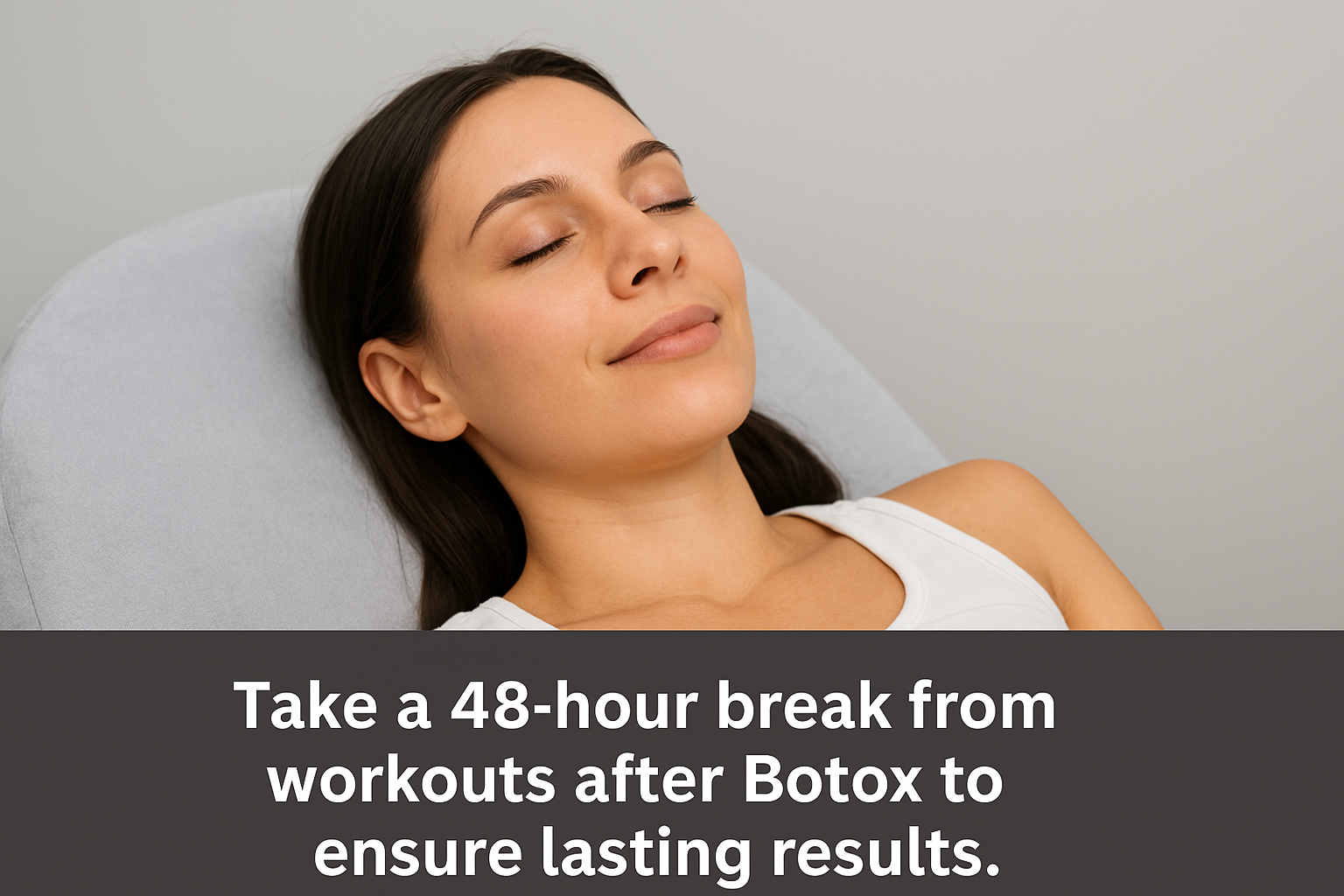
Woman relaxing post-Botox treatment, avoiding exercise.

Botox Injections Overview

A Patient’s Guide to Exercise After Botox

As an experienced injector, one of the top questions I get from patients is about getting back to their workouts. It’s understandable; exercise is a key part of maintaining a healthy lifestyle, and many wish to incorporate it into their busy schedules to feel and look their best. However, after getting Botox injections, you must wait. This non-invasive procedure is designed to treat dynamic fine lines and wrinkles caused by repetitive facial movements and contractions. The Botox works by essentially freezing the tiny muscles responsible for these movements, and we don’t want anything to interfere with that initial process.

Botox is among the most popular cosmetic treatments globally for a good reason. As one of the providers who, like the pioneering Dr, Green in New York City, was first to use these cosmetic procedures, I can tell you the goal is precision. The Botox we artfully use injects into very targeted muscles to provide facial rejuvenation. We want it to help prevent the formation or worsening of fine lines by smoothing the skin in the treated area. Giving it time to settle properly is the secret to a great result, which is why we advise holding off on strenuous activity for a bit.

Exercise and Botox Timeline

So many of my patients want to incorporate Botox injections and their workouts seamlessly into their daily routine, and it’s absolutely possible with a little planning. Careful consideration must be taken to maximize the effects of the Botox and to minimize unwanted side effects. I always tell people it’s perfectly fine for patients to work out in the days leading up to their Botox injections. The most critical advice, however, is that Strenuous exercise must be avoided for roughly two days after the treatment.

This short break is designed to allow the Botox to properly settle and to reduce the risk of any additional swelling or bruising. Afterward, you’ll find that patients can quickly resume their regular workout routine. Once you’re past that brief waiting period, you can look forward to enjoying your refreshed and youthful appearance. For those who want a tailored strategy, you can always consult an expert like Dr, Green to help devise a personalized timeline for your treatments and exercise plan; this will help you feel like your best self, inside and out.

Dr. Michele Green Background

Dr, Michele, Green is a top board-certified dermatologist in NYC and a true leader in the field of cosmetic injectables and non-invasive facial treatments. With over two decades of experience, she is widely recognized for providing the best Botox in New York. Her distinction as an Allergan platinum injector is a testament to her skill with Botox injections. At the core of her practice is a “less is morephilosophy, which ensures incredibly natural-looking results that help you become the best version of your self.

In just one visit to her boutique, private dermatology office in New York City, you’ll see why her unique technique for Botox treatments can make you look younger. During a personal consultation, Dr, Green will carefully evaluate your unique skin concerns and develop a customized cosmetic treatment plan for you. This plan combines the best non-invasive procedures with ideal skin care products to give you the precise, radiant skin you desire.

What are Botox injections?

Botox Overview and Mechanism

From my years of experience, I’ve found many people know the name, but not the science. Botox is the cosmetic brand name for an injectable neurotoxin known as botulinum toxin type A, which was famously developed by Allergan Aesthetics. The magic happens when it is injected into a specific muscle. Once there, Botox inhibits the neurotransmitters that signal that muscle to contract, which is the root cause of dynamic wrinkles.

This process of resulting muscle relaxation leads to the visible smoothing of the overlying skin. It’s a very precise and targeted action. Since receiving FDA approval for cosmetic use way back in 2002, Botox has become one of the most popular minimally invasive anti-aging treatments in the United States and across the globe. Its incredible popularity stems from this simple, effective mechanism that delivers consistent results.

Botox and Other Treatments for Facial Lines

Preventing and Smoothing Wrinkles

Botox works to smooth and prevent facial wrinkles, especially those that develop from repetitive facial movements and contractions. As a clinician, I often see the most common areas for Botox injections being the forehead lines that appear when someone is raising eyebrows, the glabellar lines caused by frowning, and crow’s feet around the eyes that form from smiling or squinting. This treatment does not only smooth existing wrinkles but can also be used to “train” the muscles in younger patients to avoid excessive contraction, thus preventing the formation of deep wrinkles down the line. It’s a proactive step toward maintaining smooth skin.

Similar Brands and Functions

In addition to Botox, there are other brands of neuromodulators that serve similar functions to eliminate dynamic wrinkles. These include Dysport and Xeomin. These treatments work on the same principle: by relaxing the specific muscles responsible for those repetitive movements. When people come to me seeking to address dynamic lines, we discuss how all these options can help them achieve a more relaxed and rejuvenated appearance. The choice often comes down to individual preference and the specific area being treated, as all these options are effective in managing the effects of frequent facial contractions.

What are the aftercare instructions for post-Botox treatment?

Post-Treatment Care and Recovery

The conceptual framework of this study demonstrates that Botox injections are quick and require minimal downtime. Even though the procedure is simple, what you do immediately after is essential for the best results. I always advise my patients to stay upright for four hours so the Botox can settle correctly. While most common side effects include mild swelling or bruising around the treated area, which typically resolve independently within two weeks of the treatment, proper care helps minimize them. Strenuous aerobic exercise and intense heat, including saunas and hot tubs, must be avoided for 48 hours. This step is crucial to minimize swelling, the risk of infection, and the unwanted migration of the Botox from the target site.

Immediate Aftercare and Simple Rules

Following the injections, there are a few simple rules to remember for a few days following the procedures. Specifically, massaging or applying pressure to the treated area must also be avoided for about three days. This precaution is key to ensuring the product stays exactly where it was placed, maximizing its effect on the facial muscles. By adhering to these simple and brief restrictions, our patients achieve optimal post-treatment outcomes with minimal hassle. It’s a small commitment that ensures the smoothing effect of the Botox can fully take hold.

Medication and Overall Results

For the best cosmetic results following the Botox injections, patients must also pay close attention to medications and supplements they take. To reduce the risk of bruising, it is important to avoid taking blood-thinning medications and common supplements like aspirin, Aleve, fish oil, and vitamin E for one week after treatment. As a professional in the field, I stress that it is essential to follow the specific medical advice provided by your treating clinician to ensure the Botox injections result in beautiful, natural-looking rejuvenation. Following these simple rules, as often advised by practitioners like Dr Green, is the final step to achieving a smooth, refreshed appearance.

Why not exercise after Botox?

Effects of Exercise on Botox

While exercise certainly benefits cardiovascular health and overall well-being, it must be avoided for 48 hours after Botox injections. The reason for this temporary restriction is twofold: Exercise raises the heart rate and blood pressure, and it may also cause patients to bend into an inverted position or apply excessive pressure to the injected areas. This increased blood flow to the injection sites can potentially migrate the Botox to unintended areas, which may then lead to muscle weakness elsewhere on the face. To ensure the treatment stays put and works its magic exactly where intended, taking a two-day break from the gym is a small but vital sacrifice.

Activities and Pressure

Specific activities like Yoga and Pilates, in particular, should be avoided because they involve holding inversions, which can interfere with how the Botox settles into the muscle. Any pressure applied to the face may also cause the Botox to move from the injection site—and patients often wipe sweat off their face when working out, which might unintentionally apply pressure. Additionally, certain activities, like cycling or swimming, require head or facial gear that can put direct pressure on the common injection sites. This is why avoiding exercising for 48 hours after the initial injections is essential for optimal Botox results.

Light exercise vs strenuous exercise after Botox

Recommended Activity and Restrictions

To ensure the best outcome for your treatment, professionals like Dr Green recommends all her patients avoid aerobic exercise after receiving Botox. The core issue is that working out significantly increases blood flow, which is linked to worsening associated swelling and bruising, potentially increasing the risk of Botox migration from the intended area. However, not all activities are restricted: Low-impact activities such as walking or gentle house chores are okay, provided they not raise the heart rate significantly. These simple movements will not alter the effects of the Botox, allowing you to remain lightly active while the product settles.

The Return to Fitness

Safely Resuming Your Workout

After the full 48 hours have passed, you can safely begin a return to physical activity, starting with light exercises such as jogging, and then progressively work up to more strenuous exercise like weightlifting. I always tell my patients to listen to their bodies and ease back into their routines. Ultimately, for those considering Botox injections, or for follow-up questions, you should consult a professional like Dr Michele Green at her private dermatology office to review all the necessary after-care instructions and create a personalized treatment timeline that fits your schedule.

Can you do cardio after Botox?

Cardio and Botox Side Effects

Immediately after receiving Botox injections, patients should avoid any exercise that elevates their heart rate, including cardio. Vigorous exercise, such as running, jogging, or biking, can drastically increase the heart rate, blood flow, and body temperature. My professional advice is always to skip these for a couple of days because this heightened internal activity puts you at increasing risk of swelling, bruising, infection, and, most importantly, Botox migration away from the intended muscle. It’s a small precaution to ensure the smoothing treatment settles perfectly.

Post-Botox Cardio Restriction

It is absolutely essential to avoid any heavy cardio for at least 48 hours after receiving Botox injections. This two-day rest period is crucial to reduce the risk of unwanted side effects and ensure the best possible cosmetic results. By letting the product settle without the interference of a raised heart rate and increased blood flow, you directly contribute to the success of your treatment. Skipping high-intensity workouts for just a couple of days protects your investment in smooth, refreshed skin.

Continue Reading

Health & Wellness

What can you eat after wisdom teeth removal?

Published

on

By

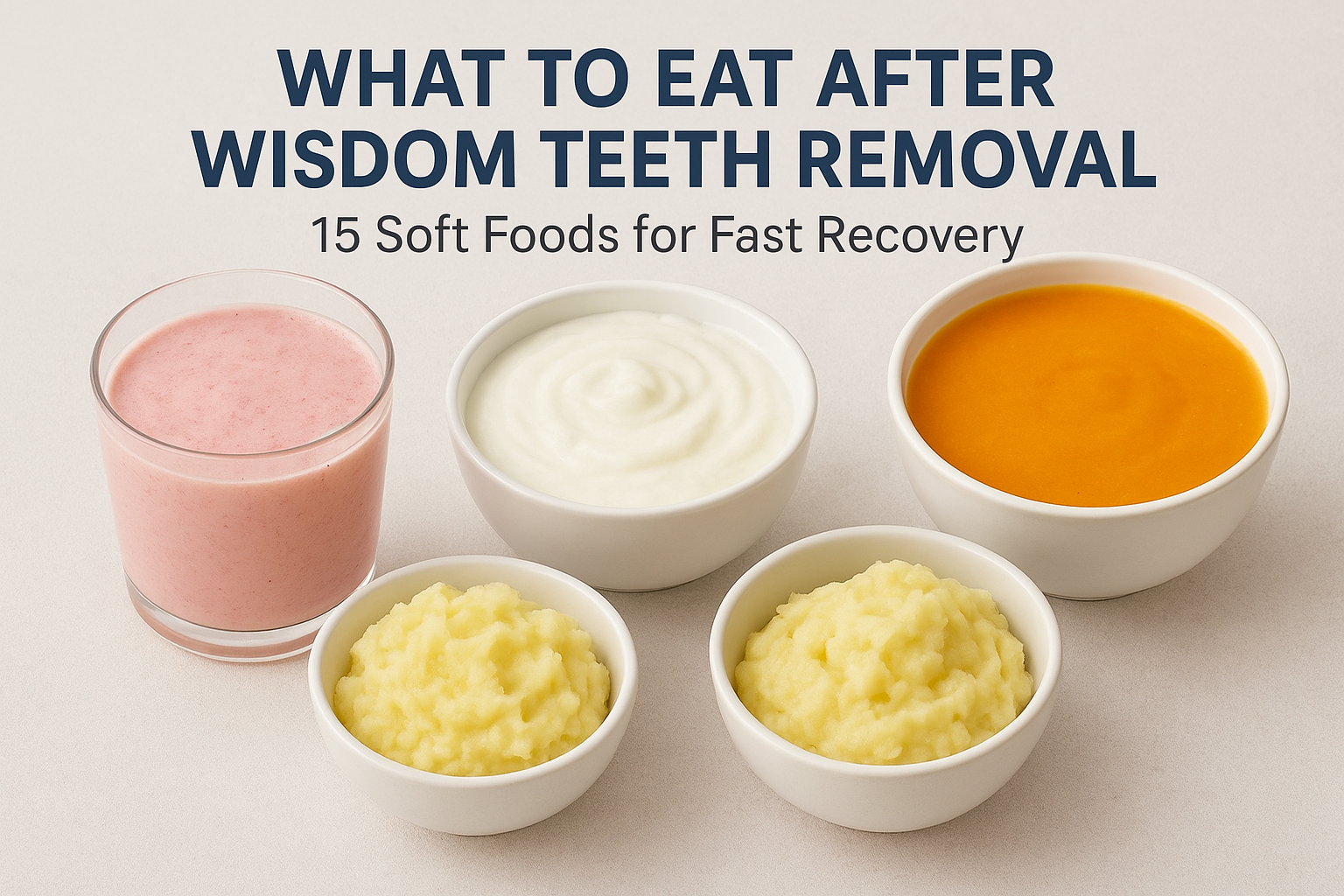
Soft foods to eat after wisdom teeth removal – yogurt, soup, mashed potatoes, and smoothies for a comfortable recovery.

Navigating Your Diet After Wisdom Teeth Surgery

After the removal of your wisdom teeth, which are also known as the third molars, the road to recovery begins. From my experience, what surprises most people is the immediate challenge of dealing with the aftermath. It’s normal to have problems, often causing pain, swelling, sore gums, or even the risk of infections and disease. A person may worry about more serious complications, such as the dreaded and truly painful dry sockets where the protective blood clots become dislodged. The whole healing process requires a great deal of care and support.

So, what can you eat? From my experience, it is advisable to follow specific dietary guidelines to help your mouth heal. It’s important that you find it beneficial to stick to soft or liquid foods for nourishment, including options like smoothies, creamy yogurt, comforting oatmeal, and even ice cream. Both warm soup and chilled soups are excellent choices because they provide high levels of vitamins and minerals without requiring any chewing. The goal is to prevent dislodging the natural clots that are vital for healing.

The time after having your teeth removed, which can take anywhere from 3 days to 2 weeks, is when mindfulness is key. You want to avoid getting food chunks or debris stuck in the extraction sites located at the furthest back corner of each side. I’ve seen patients discover this the hard way. This careful approach will also reduce any swelling and speed up your recovery, making it an easier process to get through. This procedure is common, usually for those in their late teens or early 20s. In fact, a trusted source shows there are close to 5 million extractions every year just in the United States.

Most people have four wisdom teeth, though some have more, fewer, or none at all. Because they grow so late, they often don’t have room and must come out. If not removed, problems can arise. So, read on for more tips, but the key takeaway should be that an adult patient should do everything to make a full recovery. We often refer to this period as the most critical, and when you are well set on this plan, making it easy to swallow your food, you support the last part of your surgical journey. You can find 15 or more food options if you’re creative.

15 foods to eat

The Smooth Solution: Blended Soups

In my experience, when recovering from dental work, especially after wisdom teeth are removed, a smooth diet is key. Blended soups are my go-to recommendation. They are a fantastic way to get nutrient-dense sustenance without the chewing that could cause irritation to your surgical sites. Packed with vegetables and legumes, blended soups are easy to eat after surgery. This approach allows you to consume a lot of food that you might otherwise have to avoid.

The important thing is to make sure your soup is completely smooth and has no chunks. For example, a tomato and pumpkin or other vegetable-based soups are perfect, unlike soups that have bits which require chewing. Another crucial tip: always check the temperature. You don’t want to burn yourself with hot soup. Since your mouth may be numb after the surgery, it’s wise to let the soup cool to a lukewarm temperature. This way, it’s possible to not be able to tell how hot the soup is, so cooling it down first is a smart move. Not only are they nourishing, but they also help you stay hydrated because they contain a lot of liquid. This is a simple but effective strategy for a comfortable recovery.

Bone Broth: The Liquid Gold for Recovery

For the first few days after surgery, when even blended soups might feel a bit too heavy, broths are my absolute favorite. They are an excellent source of nourishment and hydration. I often recommend bone broth, which is made by simmering bones and connective tissues from a variety of animals, such as chickens, cows, pigs, turkeys, lambs, or fish. This process results in a liquid that is packed with vitamins and minerals. I’ve personally seen how its numerous health benefits can aid recovery.

The real magic of bone broth lies in its composition. It is also high in amino acids, which are touted to contribute to its anti-inflammatory benefits. This is crucial for healing. Just as with other liquid foods like soup, it’s essential to remember to consume the broth either lukewarm or cold to avoid irritating the wound. From a personal standpoint, having a warm cup of bone broth feels incredibly soothing and comforting, making the recovery process much more bearable.

Soothing and Healing with Greek Yogurt

Greek yogurt is a fantastic nutritious, smooth, and creamy food that may help soothe and numb your mouth after dental surgery. As a go-to for many of my patients, I’ve found it to be a key player in recovery. It’s particularly beneficial because it’s rich in protein, vitamins, and minerals, such as calcium and zinc. We know that high-protein foods may promote wound healing, which is exactly what you need. In fact, adequate zinc intake may also promote wound healing. However, if you already get enough zinc, consuming more may not provide any added benefits. The beauty of Greek yogurt is that it provides these vital nutrients in a very gentle form, making it an ideal choice when you need a break from broths.

Mashed Potatoes for a Gentle Recovery

When you’re ready to move beyond Greek yogurt and other liquids, a classic comfort food like mashed potatoes becomes a staple. These potatoes are a root vegetable that can be prepared in many ways, but mashing them is the best approach after you’ve had your wisdom teeth removed. My patients often tell me how comforting they are. They’re not just soothing, they’re also rich in calories and nutrients, which is important for recovery because people have slightly higher energy requirements after having surgery. Before eating mashed potatoes, make sure they’re completely smooth and have no chunks in them. You can add butter, milk, or water to help loosen the mash to the right consistency. It’s also important to eat them lukewarm to prevent irritating your wound. This simple dish offers a substantial, yet gentle, step forward in your diet.

Stepping Up to Scrambled Eggs

Once you’ve mastered mashed potatoes and feel ready to introduce a bit of texture, scrambled eggs are a fantastic semisoft food to start eating. This is typically a good sign that your recovery is progressing well. They’re a high-quality source of protein, vitamins, and minerals, which are all important for your body’s healing process. In my practice, I always emphasize the value of these nutrients, including vitamins A and B12, zinc, iron, and selenium. These not only help in healing wounds but also in maintaining a healthy immune system. Once you’re ready to slowly chew with your other teeth, scrambled eggs provide the perfect opportunity. They are gentle yet satisfying, making them a great transition from liquid and pureed diets.

Applesauce for Nutrient Intake

While moving to foods like scrambled eggs marks progress, don’t forget the importance of fruit intake. Applesauce is one way to increase your fruit intake within 24 hours of surgery when apples are hard and crunchy, which isn’t ideal after having your wisdom teeth removed. Applesauce is usually made from pureed apples, which are typically skinless and cored. While this reduces their nutritional content since the skin contains many vitamins and minerals, as well as fiber, it makes them gentle enough for consumption. Nevertheless, a skinless apple is a good source of vitamin C, which may help reduce inflammation and pain, and boost your immune system. As a bonus, its nutrients can also improve fibroblast migration and in vitro wound closure. It’s rich in vitamins B, C, and E, and copper, which are all beneficial for your recovery.

A Perfectly Soft Recovery Food: Mashed Bananas

Following up on the gentle nutrition of applesauce, mashed bananas are another fantastic addition to your diet. The beauty of a mashed banana is that its soft texture makes it easy to chew, savor, and swallow. I often recommend this to patients once you’re ready to gradually start chewing after dental surgery. Mashing bananas could further soften their texture to reduce the risk of discomfort and make the transition from a liquid to a more solid diet much smoother. Bananas are incredibly nutritious, providing a wide variety of vitamins and minerals, such as potassium, vitamin B6, manganese, and folate. This makes them a perfect, hassle-free way to get essential nutrients while your mouth is healing.

A Chilled Treat: Banana Ice Cream

After the gentleness of mashed bananas, you might want to try something cold. The coldness of ice cream may have a soothing effect on the extraction wound. However, regular ice cream is typically high in sugar and fat, which can be counterproductive to healing. A great alternative I’ve found is homemade banana ice cream. It’s a healthy and delicious homemade alternative.

To make this treat, you need 3-4 peeled bananas and a splash of your preferred milk, such as dairy, almond, or oat. Place the bananas in the freezer for 3-4 hours or overnight. Once frozen, slice the bananas and place the slices in a blender. Add milk and blend until the mixture has a thick, smooth consistency. Finally, enjoy this simple yet effective way to get a cool and comforting treat while you heal.

Avocados for a Nutrient-Packed Recovery

When thinking about soft foods for recovery, don’t overlook avocado. This unique fruit provides a fantastic change of pace from things like banana ice cream. While most fruits are high in carbs, avocados are low in carbs, but high in healthy fats. They’re a rich source of vitamins K and C, and potassium, and I find they boast many other health benefits essential for healing. Their smooth, creamy texture makes them great for eating when you’re recovering from dental surgery. For this reason, it may be best to consume guacamole or whipped or mashed avocados during your recovery. This makes it easy to get a good dose of healthy fats and nutrients without any discomfort.

Blending for Maximum Nutrition

As a dentist, I’ve seen firsthand how challenging it can be to get proper nutrition after surgery, even with soft foods like avocados. This is where smoothies become a true lifesaver. They’re easy to consume and are highly versatile and customizable to your tastes and nutrition goals. This makes them a great way to boost your nutrient intake when you can’t eat a solid meal. For a healthy, balanced smoothie, add fruits, vegetables, and a protein source to the blender. For example, smoothies with Greek yogurt or a scoop of protein powder may significantly boost your protein intake, while fruit-loaded smoothies may increase your fiber intake.

A crucial piece of advice I always give my patients is a cautionary one: It’s best to avoid seeded fruits, such as strawberries and blackberries, during your recovery. The reason is simple and based on clinical observation: seeds could get stuck in the extraction site, which may lead to infections or complications. By sticking to seedless options, you can enjoy the benefits of a smoothie without the risk.

Nourishing Recovery with Hummus

Moving from smoothies to something with a bit more substance, hummus is a common Middle Eastern dip and spread that has become popular worldwide. From my perspective as a practitioner, this is a fantastic food for recovery. It’s a great source of healthy fats, vitamins, minerals, and protein. This makes hummus an excellent food for someone who has just had their wisdom teeth removed. You have options: you can easily make hummus at home by blending chickpeas, tahini, olive oil, garlic, and lemon in a food processor. Alternatively, you can buy premade hummus from most supermarkets.

A key point to remember is that during your recovery, you won’t be able to enjoy the hummus with chips or pita bread because their crunchy texture may damage the wound. But don’t worry, hummus is still delicious to eat by itself. It offers a satisfying and healing boost without any risk to your extraction sites.

Foods to avoid

As a dental professional, I’ve seen that what you choose to avoid is just as crucial as what you choose to eat. Several types of foods may irritate the extraction wounds in your mouth or dislodge the blood clots, which are crucial for healing after surgery. First and foremost, stay away from spicy foods, which may cause pain and irritation.

You also need to be careful about texture. Crunchy and crumbly foods, such as chips or cookies, may get lodged in the wound area, potentially causing infections or complications. Likewise, be wary of grains, seeds, and nuts, as they could disrupt healing if they get stuck. For the first few days, it’s also wise to steer clear of chewy foods, as they might increase your risk of biting your cheek, lips, and tongue, especially while your mouth is still numb.

Finally, let’s talk about beverages. Alcohol may irritate the wound or interact with any prescribed medication. For a safe and smooth recovery, it’s best to avoid alcohol entirely during the recovery period. By being mindful of these simple guidelines, you can significantly reduce your risk and ensure a faster, more comfortable healing process.

Your Wisdom Teeth Recovery Takeaway

When you’re facing wisdom teeth removed or you’re having your wisdom teeth removed  soon, it’s important to be prepared. From my professional perspective, having the right foods on hand is a game-changer. It’s truly worthwhile to stock your kitchen with these delicious foods in advance. These may support recovery and help prevent discomfort, and they are a surefire way to keep you full and happy.

Remember to choose nutrient-rich, soft-textured foods. By being proactive, you’ll stay nourished and satisfied after surgery. This simple preparation will make the entire process smoother, ensuring you get the essential nutrients you need without any unnecessary pain. With the right planning, you can make your recovery as comfortable as possible.

Continue Reading

Trending